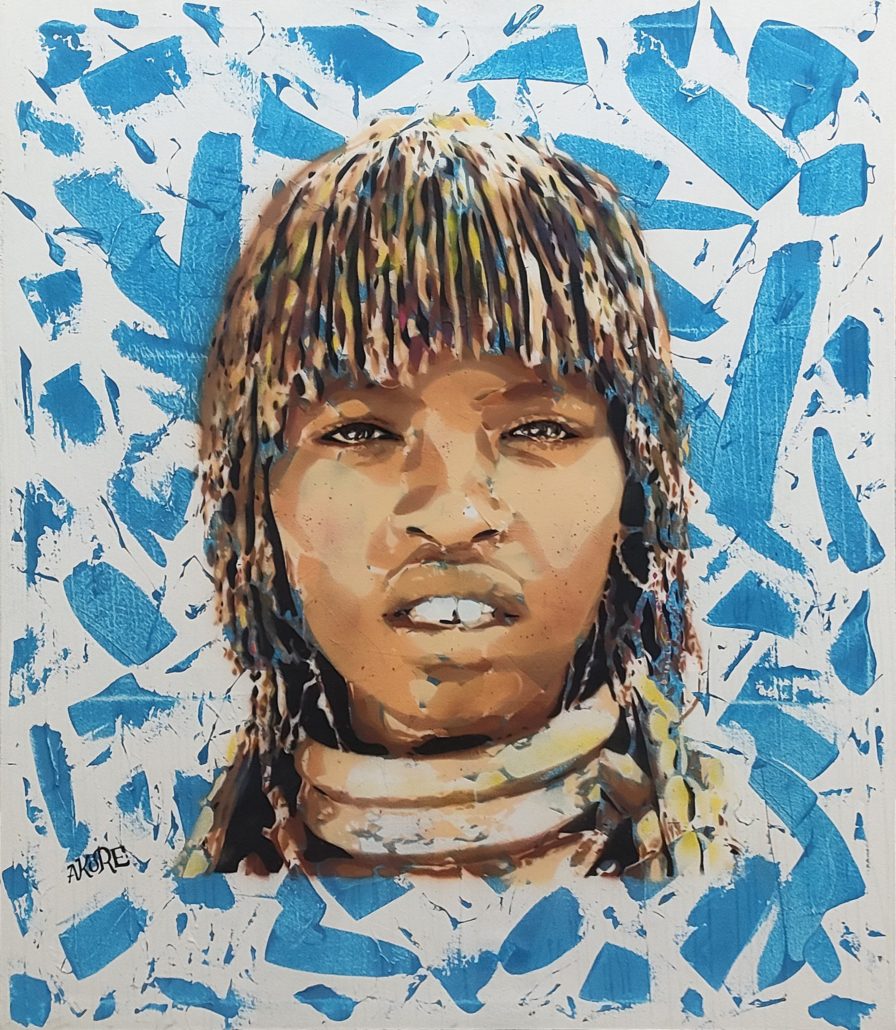
AKORE. BARCELONA (SPAIN)
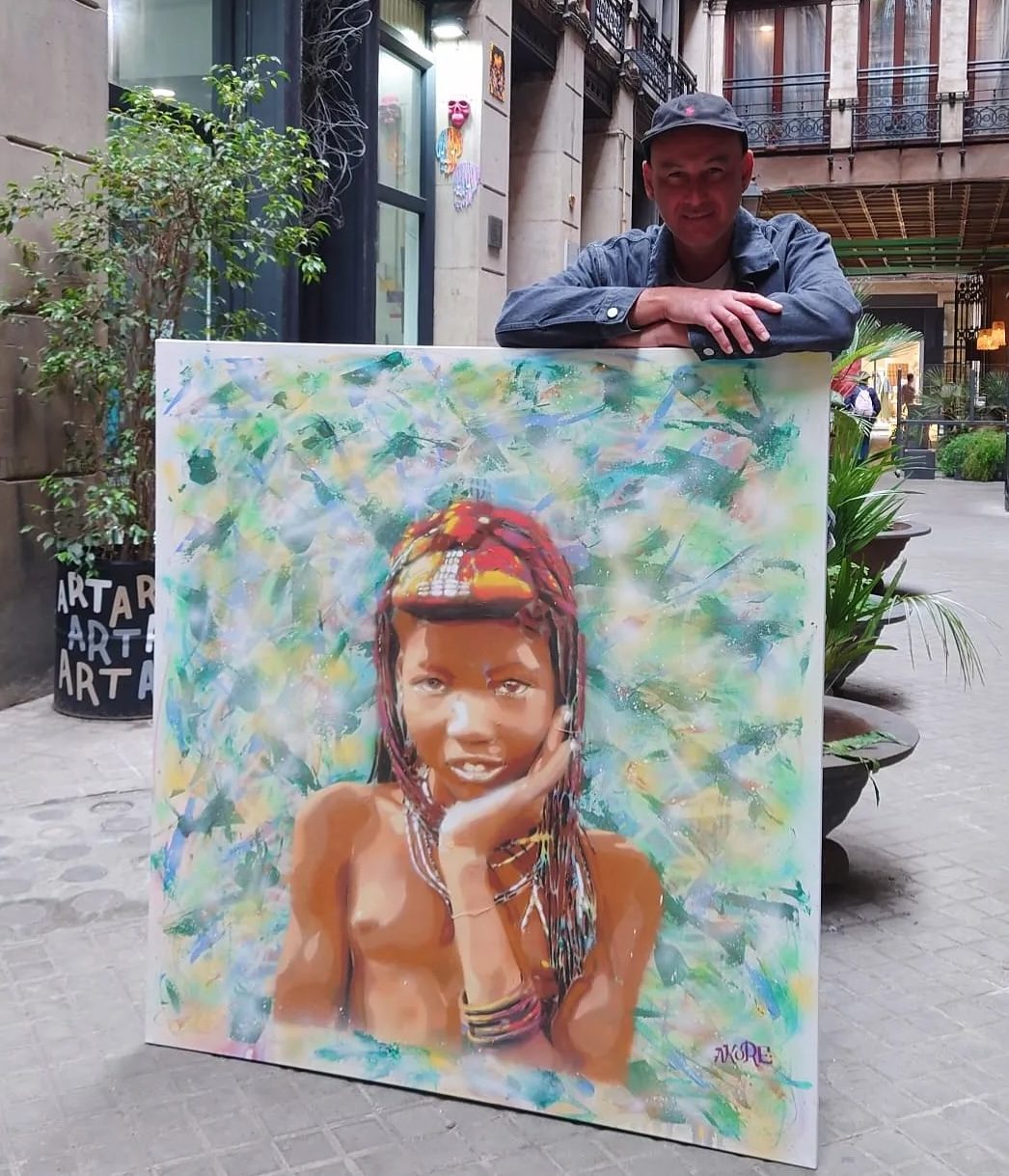
AKORE is a self-taught international Spanish contemporary artist born in Cieza (Murcia) in 1976 and currently based in Barcelona. He is considered one of the most active and recognized urban artists today. His multidisciplinary practice encompasses painting, sculpture, recycling, video art, music, installation, and investigation.
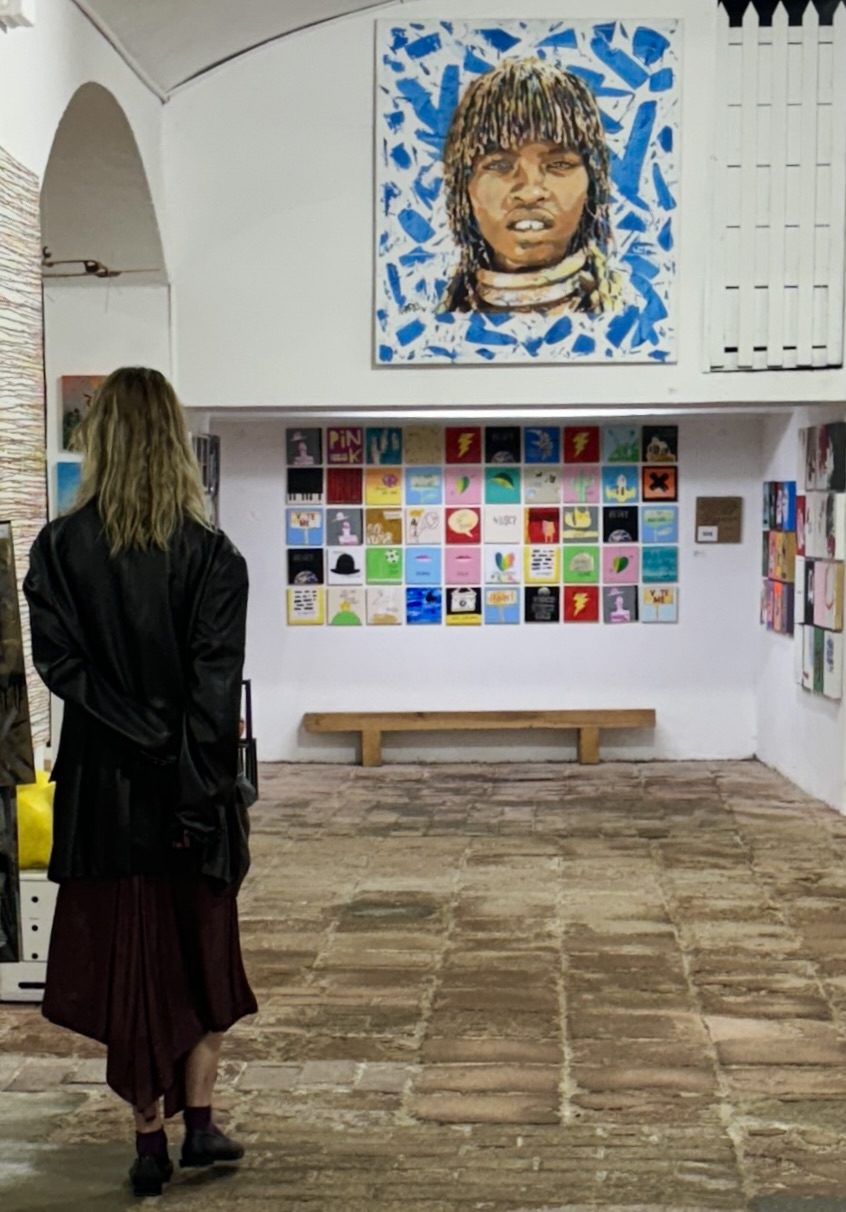
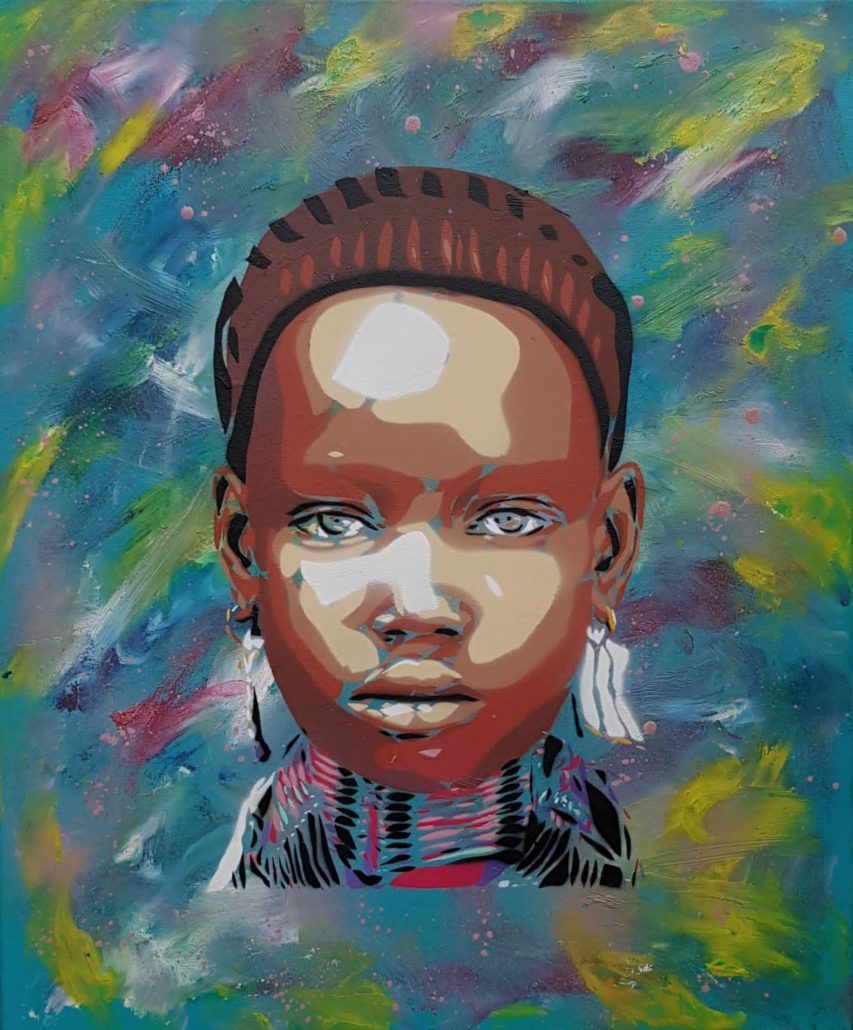
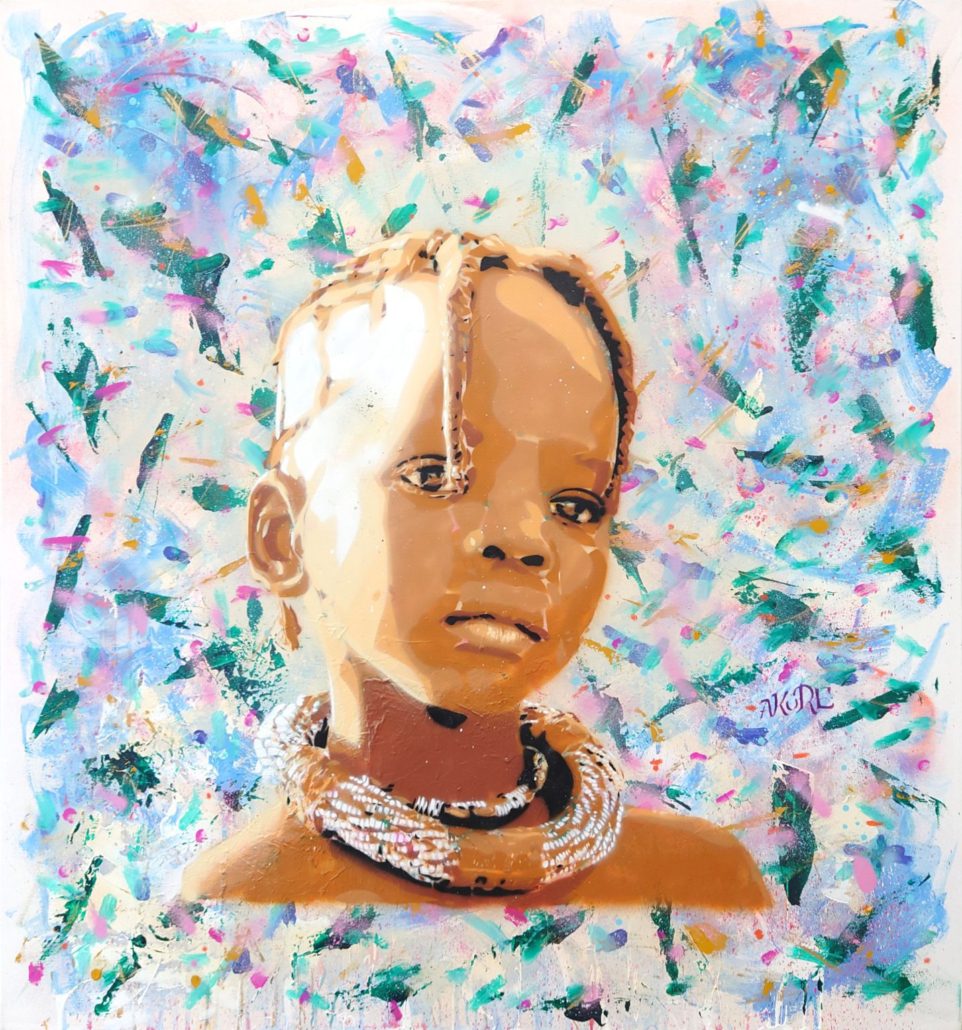
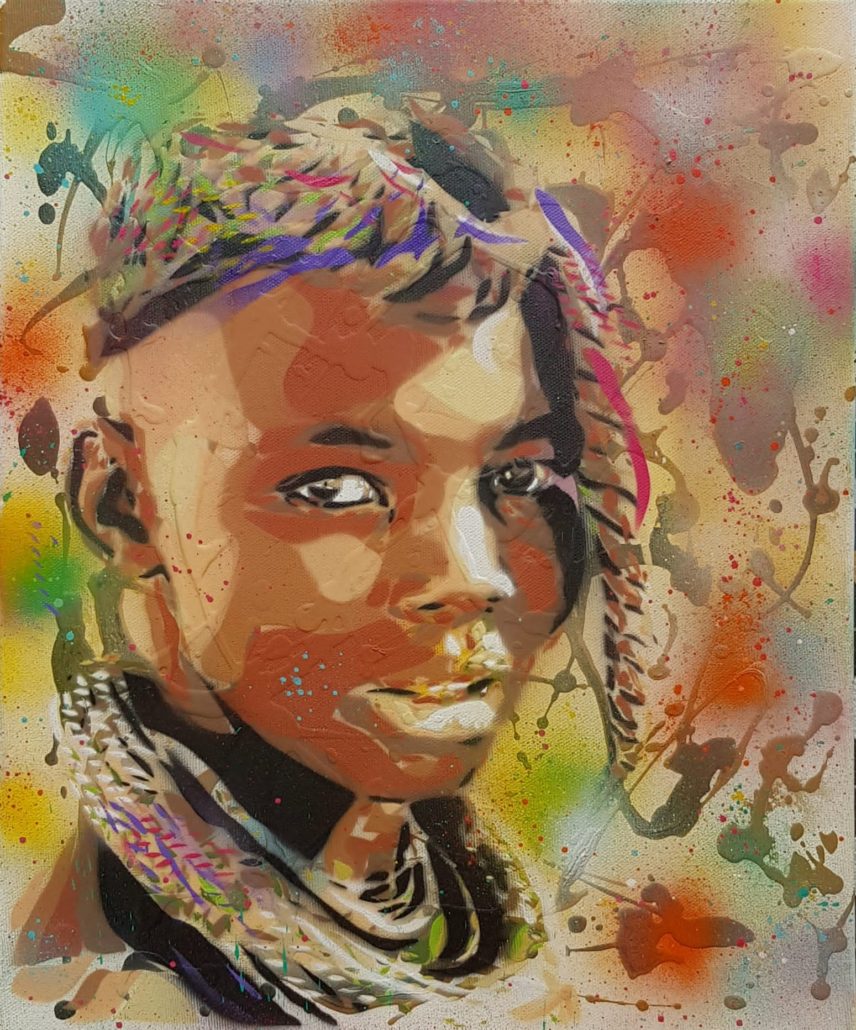
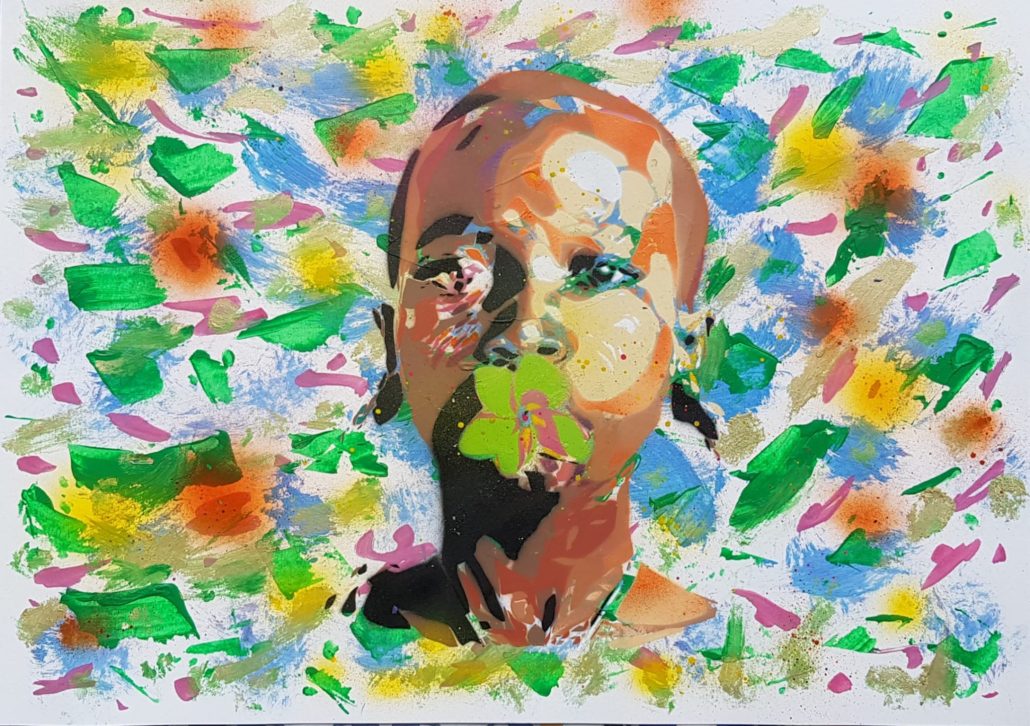
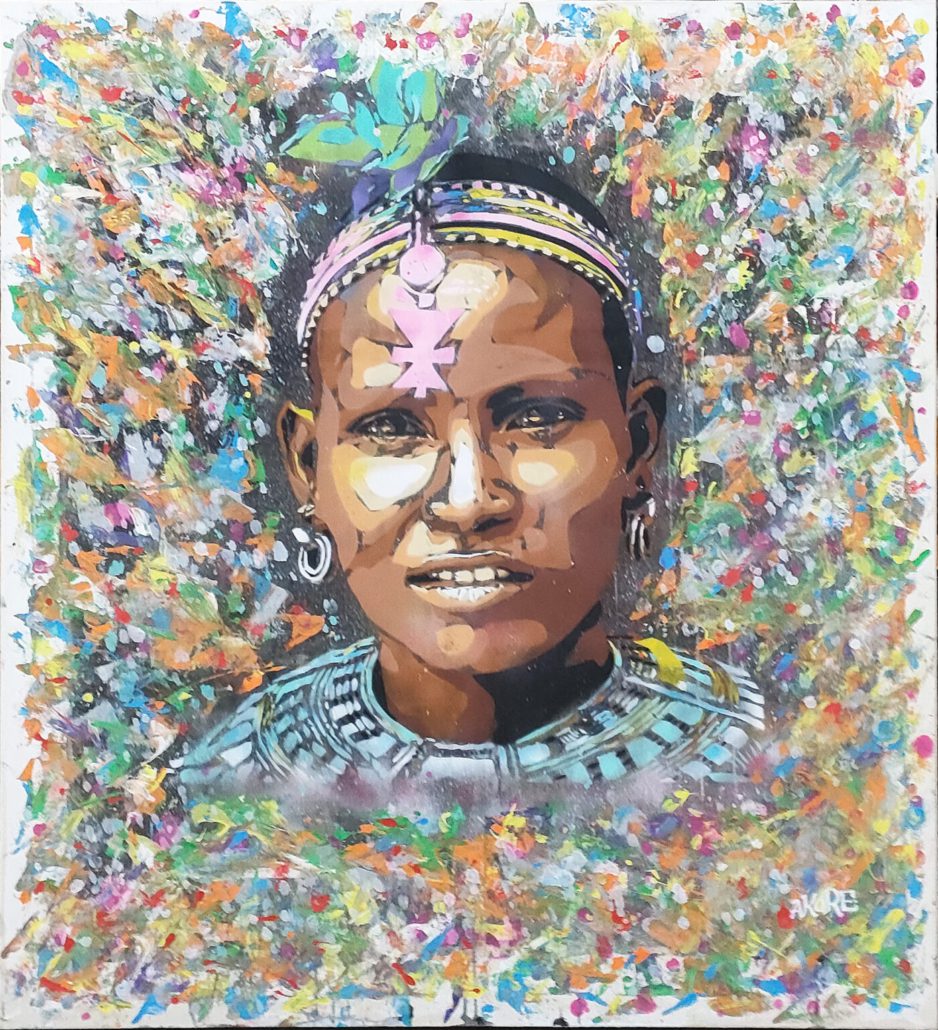
He is currently well known in the urban and contemporary art scenes for his colorful, powerful, and expressive Afro graffiti. He began painting graffiti in the late 1980s, driven by the rhythm of the hip-hop culture that was breaking into the working-class suburbs of Barcelona where he grew up. It was during this period that he started working on his first sketches, illustrations, calligraphy, typography, tags, and graffiti. Over the years, he has developed a unique visual language that blends African aesthetics with graffiti, influencing other artists of his generation. He paints on illegal walls in broad daylight to break away from established norms. His visual style is rooted in post-graffiti and has been defined as urban, tribal, abstract, hip funk, and electroafropunk—a style named “Afrocolor“.
His portraits and paintings of tribal African women echo the soul of Mother Africa, with whom he has always felt spiritually connected. Being born in Murcia, a region in close proximity to Africa, has allowed him to establish strong geographical, historical, and cultural links with the continent, where he identifies his roots, ancestors, and spiritual identity.
Guided by his own intuition, he sometimes seeks the notion of art for art’s sake, hedonism, pleasure, and the creative activity itself. Other times, he explores intersections, friction, borders, rupture, the radical, provocation, tension, and the “not-so-beautiful, forging an analogy with migration.” On a communicative level, he establishes a dialectic with the “other” through experience, understood as a journey that conveys life itself. The conscious or unconscious use of a social language sensitive to everyday life seeks to establish a dialogue with the viewer; at times, this dialogue is more important than the aesthetic function of the work itself.
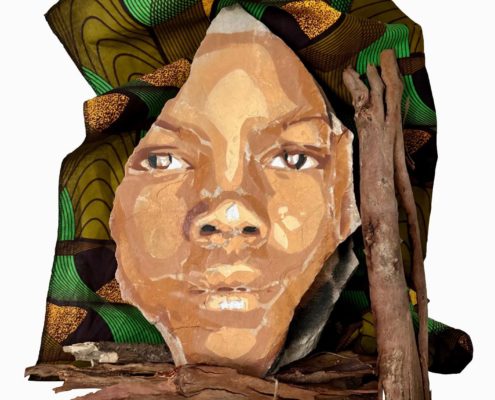
In his installations and studio work, he incorporates found and recycled materials—such as stone, wood, scrap metal, fabric, windows, traffic signs, truck doors, or gasoline drums—as a method to reflect on the use of discarded materials and endow them with new value.
His work has been featured in books, academic research and university publications, and local, national, and international media outlets such as Time Out USA (“13 Best Street Artists in the World”), National Geographic, El País, La Vanguardia (“one of the kings of Barcelona’s Born district”), and the internationally broadcast documentary series This is Art (Brutal Media / BBC Studios / TV3 / Movistar+), which aired in over 80 countries.
He has been a guest speaker at the University of Barcelona and the Palau de la Música Catalana (a UNESCO World Heritage Site), and his work is currently being studied by the Department of Conservation and Restoration of Cultural Heritage at the Complutense University of Madrid.
Statement: “Painting is the act of trespassing a border: it doesn’t matter if that is a wall, a canvas or a piece of paper. All you have to do is to cross it”.